Osteoporosis in Women: Early Signs, Prevention & Treatment
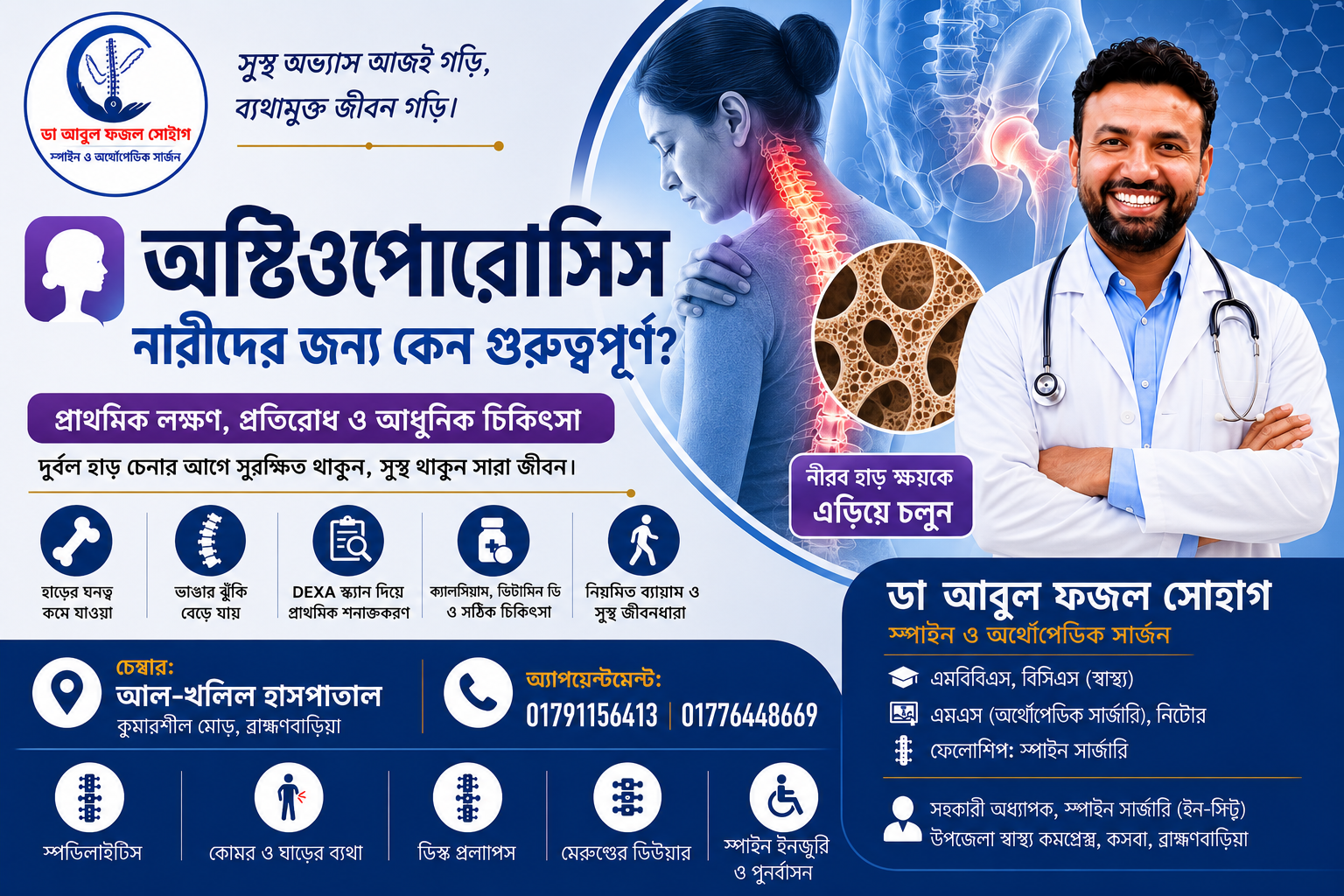
Osteoporosis in Women: Early Signs, Prevention & Treatment
Osteoporosis is one of the most common bone diseases affecting women worldwide. It develops gradually over many years, weakening the bones and making them more likely to break even after a minor fall or simple daily activities. Because osteoporosis usually causes no symptoms until a fracture occurs, it is often called the "silent disease."
Early detection and appropriate treatment can significantly reduce the risk of fractures and help maintain an active, independent lifestyle.
What Is Osteoporosis?
Osteoporosis is a condition in which bone density decreases and the internal structure of bones becomes weak and fragile. As bones lose their strength, the risk of fractures increases, particularly in the spine, hip, and wrist.
Why Are Women More at Risk?
Women naturally have lower bone mass than men. After menopause, estrogen levels fall rapidly, causing accelerated bone loss.
Risk factors include:
Postmenopausal women
Age over 50 years
Family history of osteoporosis
Low calcium intake
Vitamin D deficiency
Smoking
Excessive alcohol consumption
Long-term steroid use
Low body weight
Physical inactivity
Early Signs of Osteoporosis
Osteoporosis usually develops without symptoms. However, warning signs may include:
Loss of height
Persistent back pain
Stooped posture
Fracture after a minor fall
Hip pain
Wrist fractures
Spinal compression fractures
Who Should Be Screened?
Women aged 65 years and above
Postmenopausal women with risk factors
Women with previous fragility fractures
Patients taking long-term steroid medication
People with chronic diseases affecting bone health
How Is Osteoporosis Diagnosed?
Your doctor may recommend:
Medical history
Physical examination
Bone Mineral Density (DEXA Scan)
Digital X-ray
Blood tests including calcium and vitamin D
Additional investigations if required
Treatment Options
Calcium supplementation
Vitamin D supplementation
Prescription medications to improve bone strength
Weight-bearing exercises
Balance training
Lifestyle modification
Fall prevention
Surgical treatment if fractures occur
Foods That Help Build Strong Bones
Milk and dairy products
Small fish eaten with bones
Green leafy vegetables
Eggs
Nuts
Beans
Soy products
Vitamin D-rich foods
How Can Osteoporosis Be Prevented?
Eat a balanced diet rich in calcium.
Maintain adequate vitamin D levels.
Exercise regularly.
Walk at least 30 minutes daily.
Avoid smoking.
Limit alcohol intake.
Maintain a healthy body weight.
Prevent falls at home.
Have regular bone health check-ups if you are at risk.
When Should You See an Orthopaedic Surgeon?
Persistent back pain
Fracture after a minor injury
Repeated fractures
Loss of height
Hip pain
Difficulty walking
Why Choose Dr Abul Fazal Shohag?
Dr Abul Fazal Shohag is an Orthopaedic and Spine Surgeon experienced in diagnosing and treating osteoporosis, fragility fractures, spinal disorders, and other musculoskeletal conditions. He provides personalised, evidence-based treatment plans to improve bone health, prevent fractures, and restore mobility.
Conclusion
Osteoporosis is a preventable and treatable condition. Healthy eating, regular exercise, adequate calcium and vitamin D intake, and early screening can protect your bones and reduce the risk of fractures. If you have risk factors for osteoporosis or experience fractures after minor injuries, consult an experienced orthopaedic surgeon for expert evaluation and treatment.