Joint Replacement Surgery: Benefits, Recovery & When You Need It
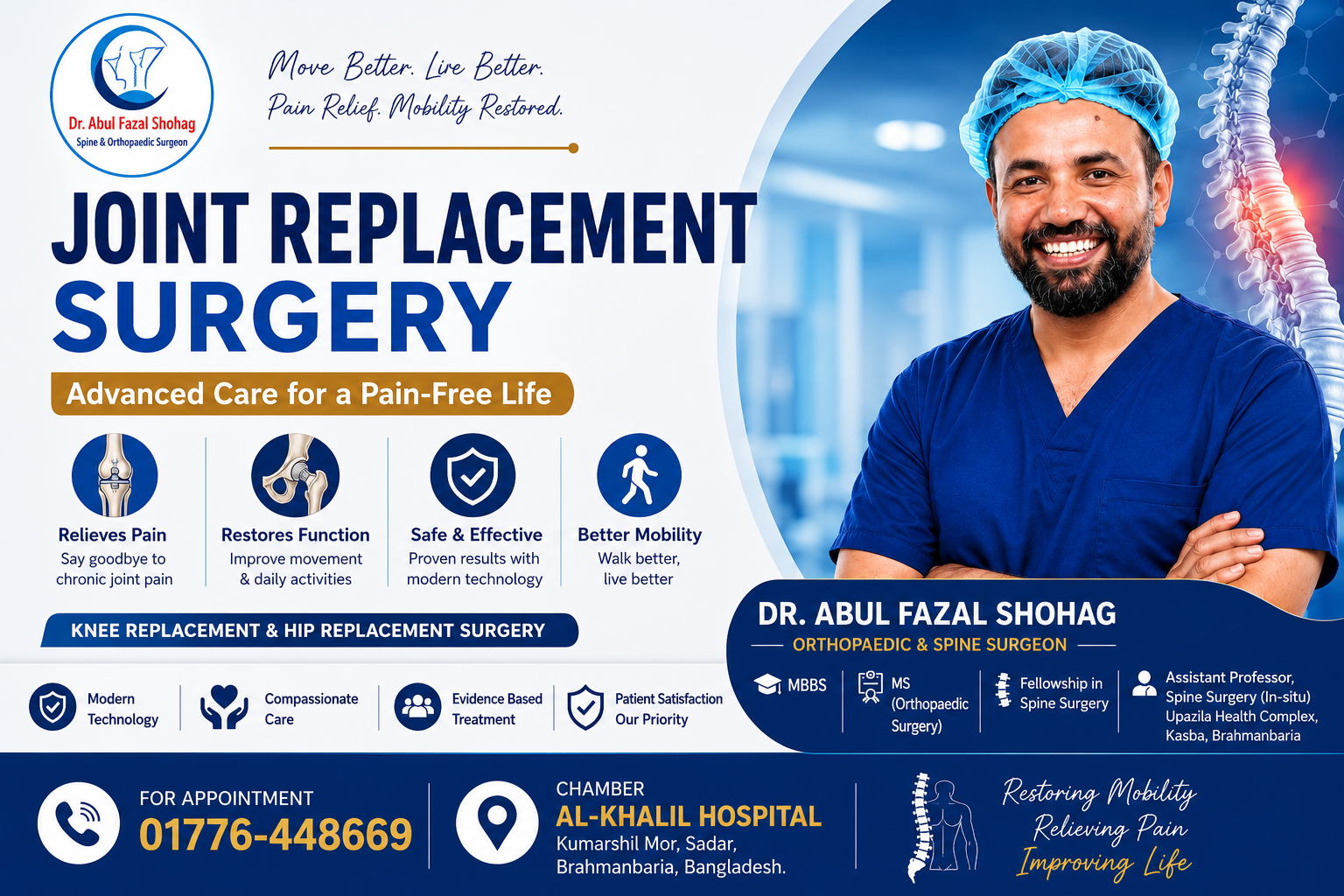
Joint Replacement Surgery: A Modern Solution for Pain-Free Movement
Joint pain can make everyday activities such as walking, climbing stairs, or getting out of a chair difficult. While medications, physiotherapy, and lifestyle modifications help many patients, some people with advanced joint damage continue to experience severe pain and disability. Joint replacement surgery can relieve pain, improve mobility, and enhance quality of life in appropriately selected patients.
Modern surgical techniques and rehabilitation programmes have made joint replacement one of the most successful orthopaedic procedures worldwide.
What Is Joint Replacement Surgery?
Joint replacement surgery is a procedure in which damaged or worn joint surfaces are replaced with artificial implants. The new joint is designed to reduce pain, restore movement, and improve daily function.
The most commonly performed joint replacement procedures are knee replacement and hip replacement surgery.
Conditions That May Require Joint Replacement
Knee osteoarthritis
Hip osteoarthritis
Rheumatoid arthritis
Post-traumatic arthritis
Avascular necrosis of the hip
Severe joint damage after fractures
Chronic knee pain
Chronic hip pain
Common Symptoms
Persistent knee or hip pain
Pain while walking
Joint stiffness
Difficulty climbing stairs
Pain at night
Reduced joint movement
Swelling around the joint
Difficulty performing daily activities
Benefits of Joint Replacement Surgery
Long-lasting pain relief
Improved mobility
Better quality of life
Correction of deformity
Improved walking ability
Enhanced joint function
Better sleep due to reduced pain
Greater independence in daily activities
Who May Be a Suitable Candidate?
Patients with severe arthritis
Patients with persistent joint pain despite medication and physiotherapy
Patients with significant difficulty walking
Patients with advanced joint damage visible on X-ray
Patients whose pain affects daily activities and sleep
The decision for surgery is based on symptoms, physical examination, imaging findings, and overall health.
Diagnosis
Medical history
Physical examination
Digital X-ray
MRI when required
Blood investigations
Pre-operative medical assessment
Types of Joint Replacement Surgery
Total Knee Replacement (TKR)
Partial Knee Replacement
Total Hip Replacement (THR)
Revision Joint Replacement
Recovery After Surgery
Most patients begin standing and walking with assistance shortly after surgery, depending on their individual condition and the procedure performed. Physiotherapy plays a vital role in restoring strength, flexibility, and function. Recovery time varies from patient to patient.
How to Protect Your New Joint
Follow your physiotherapy programme
Maintain a healthy body weight
Stay physically active
Avoid high-impact activities unless advised
Attend regular follow-up appointments
When Should You Consult an Orthopaedic Surgeon?
Persistent knee or hip pain lasting several months
Difficulty walking
Pain disturbing sleep
Joint deformity
Failure of medication and physiotherapy
Loss of independence due to joint pain
Why Choose Dr Abul Fazal Shohag?
Dr Abul Fazal Shohag is an Orthopaedic and Spine Surgeon experienced in the management of arthritis, knee disorders, hip disorders, trauma, and joint replacement surgery. He provides personalised treatment plans using evidence-based techniques to help patients regain mobility and improve their quality of life.
Conclusion
Joint replacement surgery is a highly successful treatment for advanced arthritis and chronic joint pain. If knee or hip pain is limiting your daily activities despite conservative treatment, consult an experienced orthopaedic surgeon to discuss the most appropriate treatment options.