Minimally Invasive Spine Surgery (MISS): Benefits, Recovery & Treatment Options
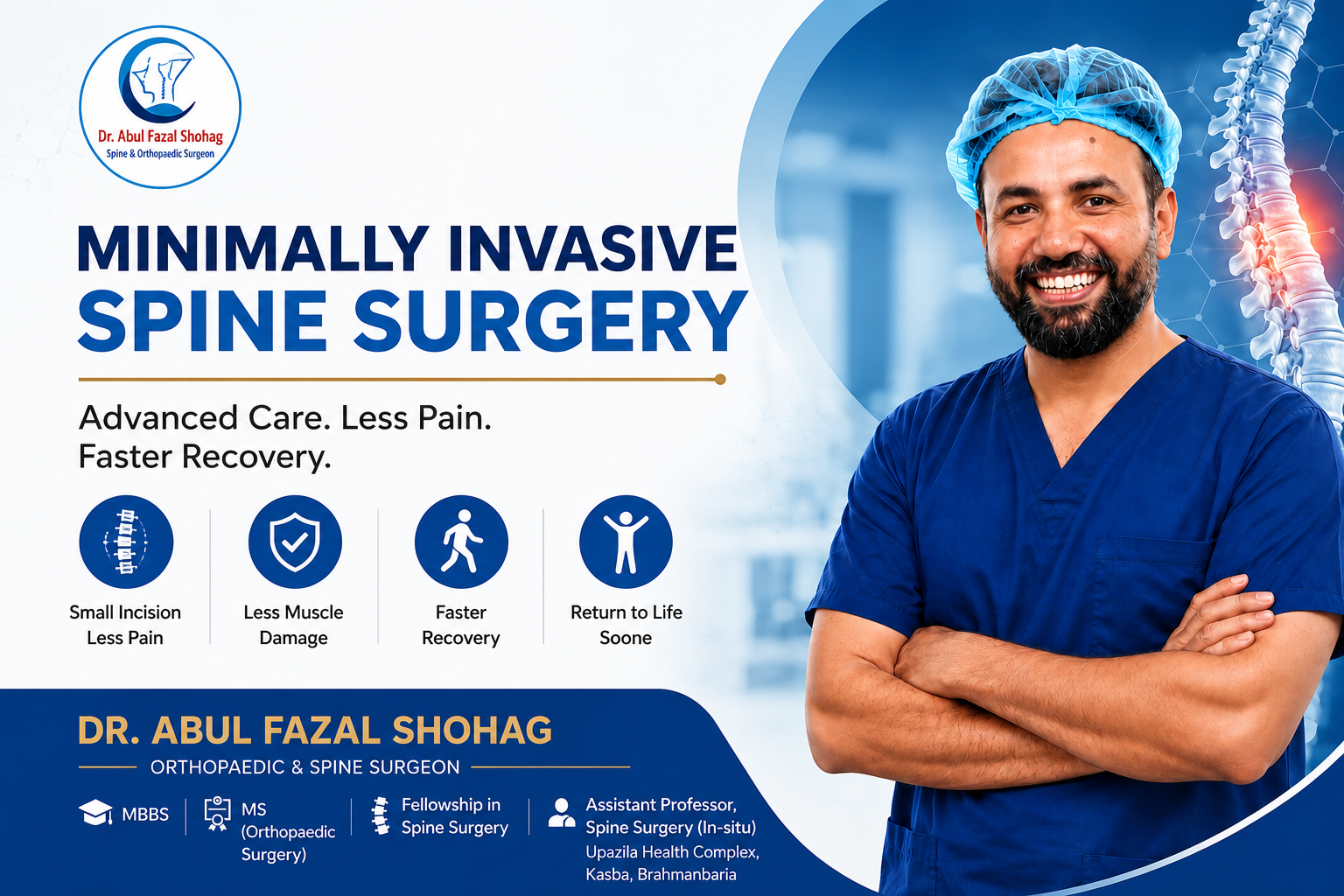
Minimally Invasive Spine Surgery (MISS): A Modern Approach to Spine Care
Back pain, neck pain, slipped discs, and spinal stenosis can significantly affect your quality of life. While many patients improve with medication, physiotherapy, and lifestyle changes, some require surgery. Minimally Invasive Spine Surgery (MISS) offers a modern surgical approach that uses specialised instruments and advanced imaging to treat selected spinal conditions through small incisions while preserving healthy muscles and tissues.
Compared with many traditional open procedures, MISS may reduce postoperative pain, blood loss, hospital stay, and recovery time. Whether it is appropriate depends on the patient's diagnosis, anatomy, and overall health.
What Is Minimally Invasive Spine Surgery?
Minimally Invasive Spine Surgery (MISS) is a specialised technique in which spine surgery is performed through small skin incisions using tubular retractors, microscopes, endoscopes, or image-guided technology. The goal is to treat the spinal problem while minimising injury to surrounding muscles and soft tissues.
Conditions That May Be Treated
Lumbar disc prolapse (slipped disc)
Sciatica
Lumbar spinal stenosis
Cervical disc prolapse
Cervical spinal stenosis
Degenerative disc disease
Spondylolisthesis
Selected spinal fractures
Spinal instability
Recurrent disc herniation
Common Symptoms
Persistent back pain
Neck pain
Pain radiating into the arm or leg
Sciatica
Numbness or tingling
Muscle weakness
Difficulty walking
Reduced mobility
Benefits of Minimally Invasive Spine Surgery
Smaller skin incision
Less muscle damage
Reduced blood loss
Less postoperative pain
Lower risk of infection
Shorter hospital stay
Faster recovery
Earlier return to work
Smaller scar
Who May Be a Suitable Candidate?
Patients with slipped disc causing nerve compression
Patients with spinal stenosis
Patients with persistent sciatica
Patients who have not improved after conservative treatment
Patients whose MRI findings match their symptoms
Not every spinal condition can be treated with minimally invasive techniques. A detailed evaluation is essential before deciding on surgery.
Diagnosis
Medical history
Physical examination
Neurological examination
Digital X-ray
MRI scan
CT scan when necessary
Types of Minimally Invasive Spine Surgery
Microdiscectomy
Minimally invasive lumbar decompression
Minimally invasive spinal fusion
Minimally invasive TLIF
Endoscopic spine surgery
Percutaneous pedicle screw fixation
Recovery After MISS
Many patients begin walking on the day of surgery or shortly afterwards, depending on the procedure performed and their individual condition. Recovery varies between patients. Following your surgeon's advice regarding physiotherapy, activity modification, and rehabilitation is important for achieving the best possible outcome.
When Should You Consult a Spine Surgeon?
Back pain lasting more than six weeks
Persistent neck pain
Sciatica that does not improve
Numbness or weakness
Difficulty walking
Loss of bladder or bowel control requires immediate emergency medical attention.
Why Choose Dr Abul Fazal Shohag?
Dr Abul Fazal Shohag is an Orthopaedic and Spine Surgeon with expertise in minimally invasive spine surgery, endoscopic spine surgery, trauma, and complex spinal disorders. He provides personalised treatment plans based on current evidence and individual patient needs.
Conclusion
Minimally Invasive Spine Surgery has transformed modern spine care by allowing selected spinal disorders to be treated with smaller incisions and less tissue damage. If you have persistent back pain, neck pain, or sciatica that has not improved with conservative treatment, consult a qualified spine surgeon to determine the most appropriate treatment for your condition.